
The Kadampuzha Devi Temple, located in the Malappuram district of Kerala, is one of the most revered and spiritually powerful shrines dedicated to Goddess Parvati in South India. Unlike conventional temples, this ancient shrine does not house an idol of the presiding deity. Instead, Goddess Parvati is worshipped in her Kiratha rupa (form of a forest huntress) through a sacred pit in the sanctum sanctorum . This unique feature makes Kadampuzha stand out among the thousands of temples across Kerala.
According to legend, the temple’s origin is closely associated with the great philosopher-saint Adi Shankaracharya. It is believed that Goddess Parvati appeared before him at this very spot to bless him, and then disappeared into a hole in the ground. Adi Shankaracharya then built a temple around this sacred pit and began the tradition of offering ixora flowers (thechi poovu in Malayalam) to the goddess . This tradition continues to this day, making Kadampuzha a living link to ancient spiritual practices.
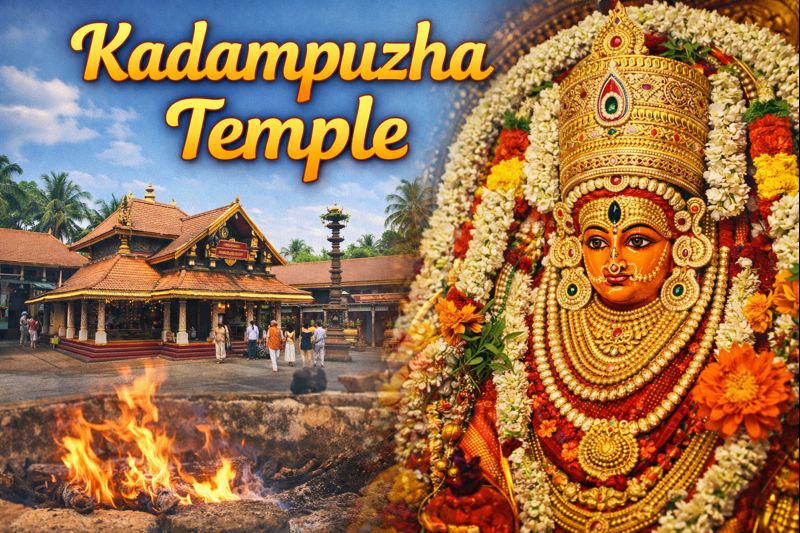
The temple complex also houses sub-shrines for Lord Sastha and serpent deities, and a separate Shiva temple called ‘Madambiyarkavu’ exists nearby . Both temples are under the administration of the Malabar Devaswom Board. For devotees seeking powerful spiritual experiences and divine blessings, Kadampuzha remains an essential pilgrimage destination that has attracted worshippers for over 1900 years .
BAPS Shri Swaminarayan Mandir, Atlanta 20 26: Timings
Key Information Overview
| Category | Details |
|---|---|
| Temple Name | Sree Kadampuzha Devi Temple |
| Primary Deity | Goddess Parvati/Durga in Kiratha rupa (huntress form) |
| Unique Feature | No idol; worship is performed into a sacred pit |
| Location | Kadampuzha, Malappuram District, Kerala – 676553 |
| Distance from Major Towns | 16 km from Tirur, 12 km from Kuttippuram |
| Subsidiary Shrines | Lord Sastha, Serpent deities, Madambiyarkavu (Shiva temple) |
| Governing Body | Malabar Devaswom Board |
| Year Established | Over 1900 years old |
| Entry Restriction | Only Hindus are allowed inside the main temple |
| Official Website | www.kadampuzhadevaswom.com |
| Contact Number | 0494 261 5790 |
Historical Significance and Legends
The history of Kadampuzha Devi Temple spans over nineteen centuries, making it one of the oldest shrines in Kerala . The temple’s origin is steeped in captivating mythology that connects it to both the Mahabharata era and the life of Adi Shankaracharya. According to local traditions, this sacred spot marks where Arjuna received divine blessings from Goddess Durga during the Mahabharata period .
The more prominent legend, however, centers on Adi Shankaracharya, the eighth-century philosopher who unified the six schools of thought in Hinduism. It is believed that while traveling through the region, Shankaracharya had a divine vision of Goddess Parvati at this location. The goddess appeared before him to bestow her blessings but then disappeared into a hole in the ground . Recognizing the sanctity of this spot, Shankaracharya established a temple around this sacred pit and instituted the worship rituals using thechi flowers, which continue to this day .
The name “Kadampuzha” itself has an intriguing etymology. It is derived from three words: “Kadan” meaning forest dweller, “Ambu” meaning arrow, and “Azha” meaning stream . This etymology connects directly to the goddess’s form as a huntress (Kiratha rupa) and the arrow that, according to some legends, created the sacred hole when it pierced the ground .
Unique Deity and Architectural Features
What makes Kadampuzha Devi Temple truly distinctive is the complete absence of a traditional idol or statue of the presiding deity . Instead of a carved image, the sanctum sanctorum contains a small pit or hole into which all prayers and offerings are directed. This simplicity emphasizes the profound spiritual energy that devotees believe permeates the temple .
The architectural style of Kadampuzha is notably simple compared to many Kerala temples. It does not feature a gold-plated flag post (kodimaram) commonly seen in larger temples . The structure is built using traditional materials including granite stones, wood, and brass. The carvings of deities on stone surfaces and the intricate designs etched into wooden elements provide points of artistic interest for visitors .
Unlike most temples where a sopanam (a raised platform) exists in front of the sanctum, Kadampuzha has no such structure. This architectural peculiarity allows devotees to stand at the very doorstep of the Sreekovil (sanctum) while witnessing the performance of their offerings, creating an intimate connection with the divine presence .
The temple also features sub-shrines dedicated to Lord Sastha (Ayyappan) and serpent deities (Nagaraja) . A separate Shiva temple called ‘Madambiyarkavu’ is located in close proximity to the main Devi temple, allowing pilgrims to worship both the goddess and Lord Shiva in one visit .
Temple Timings and Darshan Schedule
The Kadampuzha Devi Temple follows a consistent daily schedule divided into two sessions, with a break during the afternoon hours. Devotees planning their visit should note these timings carefully to ensure they can complete their darshan and offerings.
| Session | Morning Timings | Evening Timings |
|---|---|---|
| Darshan Timings | 4:30 AM to 12:00 PM | 3:30 PM to 7:00 PM |
| Vazhipadu Counter Timings | 5:00 AM to 11:00 AM | 3:30 PM to 5:00 PM |
The temple remains closed during the afternoon break between 12:00 PM and 3:30 PM. This is when the priests perform internal rituals and prepare for the evening worship session.
Enquiry Counter Timings: For visitors needing assistance, an enquiry counter operates from 5:00 AM to 8:00 PM, providing guidance on offerings, temple procedures, and other facilities .
Best Time to Visit: Early mornings are considered particularly auspicious for worship. The temple experiences higher crowds during festival seasons and weekends, so weekday mornings offer a more peaceful darshan experience.
Main Offerings (Vazhipadu) and Their Significance
Devotees can participate in various offerings (vazhipadu) at Kadampuzha Devi Temple, with the two most important being Poomoodal and Muttarukkal. The unique aspect of performing vazhipadus here is that devotees can witness the ritual from the doorstep of the sanctum due to the absence of a sopanam .
Poomoodal (Flower Offering): This is considered the most important and favorite offering to the goddess . During Poomoodal, devotees cover the sacred pit with fresh ixora flowers (thechi poovu in Malayalam). This tradition dates back to Adi Shankaracharya himself, who first offered these flowers to the goddess . Devotees believe that this offering brings immense blessings and fulfills heartfelt wishes.
Muttarukkal (Coconut Breaking): This ritual involves breaking coconuts to symbolize the breaking of one’s obstacles and ego. It is a powerful practice believed to ward off difficulties and remove hurdles from one’s path . When performing Muttarukkal, devotees should note that the coconut should not be dipped in the temple tank; instead, use the specially provided water tank for this purpose .
Other significant offerings include Thrikalapooja, Rekthapushpanjali, Dehapushpanjali, Maala, Neyvilakku (lighting lamps with ghee), Ganapathi Homam, Kedavilakku, Pattucharthal, and Elluthiri . Devotees can book these offerings either online through the official website or at the vazhipadu counter at the temple .
Major Festivals and Celebrations
Kadampuzha Devi Temple observes several important festivals throughout the year, drawing thousands of devotees who seek the goddess’s blessings during these auspicious times.
Rigveda Laksharchana (Month of Dhanu): This eight-day festival in the Malayalam month of Dhanu (December-January) is performed under the guidance of the temple thanthri. Renowned Vedic scholars participate in chanting the Rigveda during early morning hours, followed by Abhishekam in the evenings. Cultural programs featuring traditional temple arts are held during the first seven days, attracting large audiences .
Dravya Kalasam (Month of Thulam): Celebrated in the Malayalam month of Thulam (October-November), this eight-day festival involves elaborate thanthrik rituals. The ceremony begins with Aacharyavaranam and includes Mulayidal, Praasdasudhi, Rakshoknahoma, Asthrakalasa, Vaasthukalasa, Dhara, various Homas, Thatwahoma, and culminates with Brahmakalasa Abhisekha accompanied by Valiyapani and Melavadhyams .
Thrikkarthika (November-December): The Karthika day of the Malayalam month Vrishchikam is celebrated as the birthday of the goddess with great enthusiasm .
Navaratri: This nine-night festival dedicated to the divine mother is another highlight at Kadampuzha, emphasizing the goddess’s power and compassion through special rituals and prayers .
Thiruvonam Mahotsavam: This annual festival features grand rituals and cultural programs, transforming the temple into a vibrant hub of spiritual activity .
How to Reach Kadampuzha Devi Temple
Kadampuzha is well-connected by road, rail, and air, making it accessible for devotees from across India.
By Road: Kadampuzha is located near the Thrissur-Calicut National Highway (NH-66), approximately 2.7 km away from Vettichira town . Regular bus services connect Kadampuzha to major cities including Kozhikode, Kannur, Thrissur, and Ernakulam. The temple is 16 km from Tirur and about 12 km from Kuttippuram . Private taxis and auto-rickshaws are readily available from nearby towns.
By Rail: The nearest major railway stations are Kuttippuram (approximately 12 km away) and Tirur (16 km away) . Both stations are well-connected to cities across Kerala and India. From these stations, visitors can hire taxis or take local buses to reach Kadampuzha.
By Air: The closest airport is Calicut International Airport (CCJ) at Kozhikode, approximately 50-60 km from Kadampuzha . Cochin International Airport (COK) is another option, located about 150 km away. From either airport, pre-paid taxis and buses are available for the onward journey.
Local Transportation: Auto-rickshaws and taxis are available at Vettichira town, which serves as the gateway to Kadampuzha. The temple is easily accessible from the main road, with clear signage directing visitors.
Booking Offerings and Temple Procedures
Online Booking: Devotees can book offerings through the official temple website at www.kadampuzhadevaswom.in . This online facility allows devotees to schedule their vazhipadus in advance, ensuring a smooth darshan experience.
On-Site Booking: Receipts for vazhipadu offerings can be obtained from the dedicated counter located on the ground floor of the office building. The counter functions from 5:00 AM to 11:00 AM and 3:30 PM to 5:00 PM .
Important Booking Guidelines:
- One day’s pooja, niramala, and similar offerings should be booked in advance
- Be cautious of unauthorized agents offering booking services; always use official counters
- The enquiry counter (operating 5:00 AM to 8:00 PM) can assist devotees in arranging their offerings directly through the Devaswom
- Cash, ornaments, and other valuable offerings can be placed in the Bhandaram (donation box); contact the Temple Superintendent for further details
Endowment Option: Devotees can create an endowment by depositing a fixed amount, and the desired offerings can be made using the accrued interest, providing a lasting way to support temple activities .
Important Visitor Instructions
To maintain the sanctity of the temple and ensure a comfortable experience for all devotees, visitors must follow these important guidelines:
Dress Code:
- Men: Should wear mundu (dhoti) and are expected to remove shirts, banyans, etc. before entering the Nalambalam
- Women: Must wear sarees or traditional attire with shoulders covered
- Prohibited items include shirts, pants, banyans, pyjamas, lungis, and chequered cloths inside the Nalambalam
Prohibited Items:
- Video cameras, mobile phones, radios, and tape recorders are not allowed inside the temple
- Cameras are strictly prohibited within the Nalambalam
General Guidelines:
- Only Hindus are permitted to enter the main temple . Non-Hindus wishing to make offerings may contact the Devaswom office or Enquiry Counter for assistance
- For Muttarukkal offerings, do not dip the coconut in the temple tank; use the specially provided water tank
- Do not retain babies and children for extended periods within the Nalambalam
- Cooperate with temple officials who are available to guide and assist devotees
- Enter the temple with absolute devotion and maintain a peaceful demeanor
Cloakroom facilities are available outside the temple to store prohibited items .
Nearby Attractions and Facilities
Madambiyarkavu Shiva Temple: Located near the main Devi temple, this separate shrine dedicated to Lord Shiva is an important part of the pilgrimage experience. Many devotees visit both temples during their trip .
Kuttippuram and Tirur: These nearby towns offer additional facilities including restaurants, shops, and transportation hubs. Kuttippuram is approximately 12 km away and Tirur is about 16 km from Kadampuzha .
Accommodation: While Kadampuzha itself has limited accommodation options, visitors can find hotels and lodges in nearby towns like Tirur, Kuttippuram, and Malappuram. For those seeking comfortable stays, properties like Devi Royal Residency in the area offer convenient access to the temple .
Dining: Several vegetarian restaurants and eateries are available in Vettichira and along the National Highway, serving traditional Kerala meals and refreshments.
Frequently Asked Questions (FAQs)
Q1: What makes Kadampuzha Devi Temple unique?
A: The temple is unique because it has no idol of the presiding deity. Instead, Goddess Parvati is worshipped in a sacred pit, following traditions established by Adi Shankaracharya over 1900 years ago .
Q2: What are the main offerings at Kadampuzha?
A: The most important offerings are Poomoodal (flower offering) and Muttarukkal (coconut breaking). Devotees can also perform Thrikalapooja, Neyvilakku, Ganapathi Homam, and various other vazhipadus .
Q3: What are the temple darshan timings?
A: The temple is open from 4:30 AM to 12:00 PM and 3:30 PM to 7:00 PM daily. The vazhipadu counters operate from 5:00 AM to 11:00 AM and 3:30 PM to 5:00 PM .
Q4: Is there a dress code for visiting the temple?
A: Yes, traditional attire is required. Men must wear mundu (dhoti) and remove shirts inside the Nalambalam. Women should wear sarees or traditional attire with shoulders covered .
Q5: Can non-Hindus visit Kadampuzha Devi Temple?
A: Only Hindus are permitted to enter the main temple. Non-Hindus may contact the Devaswom office or Enquiry Counter for assistance with making offerings .
Q6: How can I book offerings online?
A: Offerings can be booked through the official temple website at www.kadampuzhadevaswom.in. Alternatively, devotees can visit the vazhipadu counter at the temple .
Q7: What is the significance of Poomoodal?
A: Poomoodal involves offering thechi flowers (ixora) to cover the sacred pit. This tradition was started by Adi Shankaracharya and is considered the goddess’s favorite offering .
Q8: When are the major festivals celebrated?
A: The temple celebrates Rigveda Laksharchana in Dhanu month (Dec-Jan), Dravya Kalasam in Thulam month (Oct-Nov), Navaratri, Thiruvonam Mahotsavam, and Thrikkarthika (Nov-Dec) .
Q9: Are mobile phones allowed inside the temple?
A: No, mobile phones, cameras, and electronic devices are strictly prohibited inside the temple .
Q10: What is the best time to visit Kadampuzha?
A: Early morning hours during weekdays offer the most peaceful darshan experience. Festival periods, while crowded, provide an opportunity to witness grand celebrations and special rituals .
Conclusion: A Transformative Spiritual Experience
Kadampuzha Devi Temple stands as a testament to the enduring power of faith and the living traditions of Kerala’s spiritual heritage. With its ancient origins, unique idol-less sanctum, and powerful rituals, it offers devotees an intimate connection with the divine that is rare in contemporary temple worship.
Whether you are seeking solutions to life’s challenges, wishing to fulfill vows, or simply desiring to experience the profound peace that permeates this sacred space, a visit to Kadampuzha promises to be transformative. The goddess’s blessings, sought through centuries-old offerings like Poomoodal and Muttarukkal, continue to manifest in the lives of countless devotees who report miraculous experiences and positive transformations .
As you plan your pilgrimage to this most powerful Devi temple in Kerala, remember to follow the temple’s guidelines, dress appropriately, and approach with sincere devotion. The combination of ancient rituals, spiritual energy, and the natural beauty of Kerala’s landscape creates an atmosphere conducive to deep introspection and divine connection.