
Kal Bhairav Temple stands as one of India’s most powerful Shaivite shrines, dedicated to Lord Kal Bhairav, the fearsome manifestation of Lord Shiva who governs time, death, and cosmic dissolution. Devotees visit this ancient temple seeking protection from negative energies, fearlessness in life’s challenges, and spiritual liberation through the deity’s grace.
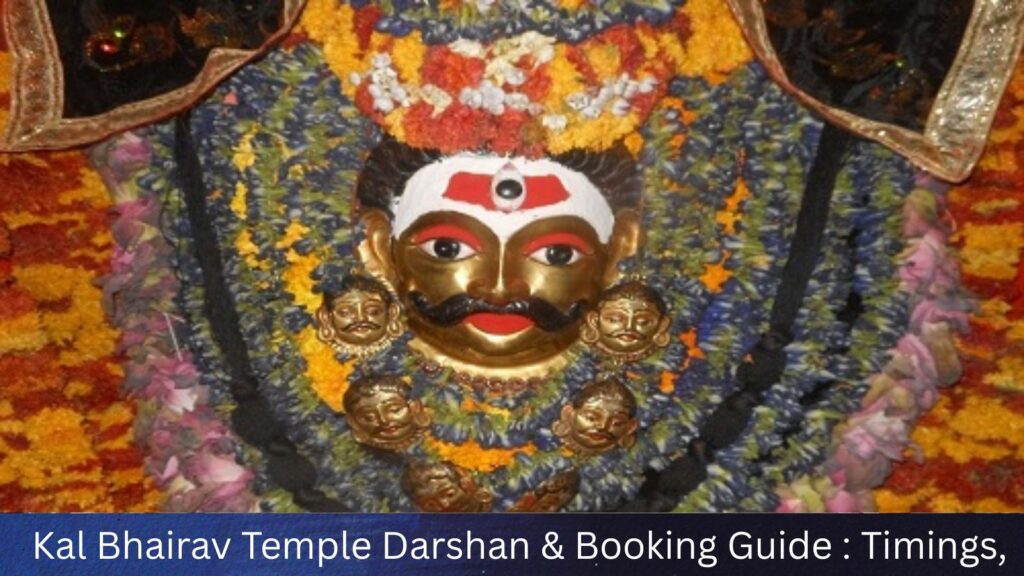
Two major Kal Bhairav temples command national attention: the Kotwal of Kashi in Varanasi and the Guardian of Ujjain in Madhya Pradesh. Both temples share unique traditions, fierce iconography, and the distinctive practice of liquor offerings to the deity, a ritual found nowhere else in mainstream Hindu worship.
This comprehensive guide provides everything you need for your 2026 pilgrimage: exact darshan timings, aarti schedules, pooja pricing, dress code requirements, and step-by-step booking instructions for both Varanasi and Ujjain temples.
Sawariya Seth Temple Rajasthan 2026: Darshan, Booking, Timings, Sevas, and Complete Visitor Guide
Quick Overview Table: Varanasi vs Ujjain Kal Bhairav Temples
| Feature | Varanasi Kal Bhairav | Ujjain Kal Bhairav |
|---|---|---|
| Deity Title | Kotwal of Kashi | Guardian appointed by Mahakal |
| Darshan Timing | 5:00 AM – 10:30 PM | 6:00 AM – 8:00 PM |
| Entry Fee | Free | Free |
| Online Booking | Not available | Not available |
| Special Offering | Liquor, flowers, sesame | Liquor, mustard oil, coconuts |
| Aarti Frequency | 4 times daily | 2 times daily |
| Historical Period | 9th-13th century CE | Ancient, renovated by Marathas |
| Unique Feature | Silver head with trident | Silver head with Maratha pagri |
| Best For | Kashi pilgrimage circuit | Mahakal temple combination |
Darshan Timings and Aarti Schedule 2026
Kal Bhairav Temple Varanasi: Seasonal Timings
The temple follows different schedules for summer and winter months to accommodate weather conditions and devotee comfort.
Summer Schedule (April to September)
| Session | Time | Activities |
|---|---|---|
| Morning Darshan | 5:00 AM – 1:30 PM | Mangala Aarti, general darshan, special poojas |
| Afternoon Closure | 1:30 PM – 3:00 PM | Temple closed for deity rest |
| Evening Darshan | 3:00 PM – 10:30 PM | Sandhya Aarti, evening rituals, night ceremonies |
Winter Schedule (October to March)
| Session | Time | Activities |
|---|---|---|
| Morning Darshan | 5:30 AM – 1:00 PM | Delayed opening due to cold weather |
| Afternoon Closure | 1:00 PM – 3:30 PM | Extended rest period |
| Evening Darshan | 3:30 PM – 10:00 PM | Earlier closure for winter safety |
Daily Aarti Schedule at Varanasi
| Aarti Name | Timing | Duration | Special Features |
|---|---|---|---|
| Mangala Aarti | 4:00 AM or 5:00 AM | 30 minutes | Morning awakening, first offering of the day |
| Bhog Aarti | 12:00 PM | 20 minutes | Midday feast offering to deity |
| Sandhya Aarti | 7:00 PM or 8:00 PM | 30 minutes | Evening lamp ceremony, most popular among devotees |
| Shayan Aarti | 11:00 PM | 15 minutes | Night farewell, final offering before rest |
Kal Bhairav Temple Ujjain: Year-Round Schedule
| Day | Timing | Notes |
|---|---|---|
| All Days | 6:00 AM – 8:00 PM | Consistent schedule throughout year |
| Morning Aarti | 7:00 AM – 8:00 AM | Main daily ceremony |
| Evening Aarti | 6:00 PM – 7:00 PM | Sandhya period offering |
Pooja Rates and Seva Details 2026
Regular Offerings and Estimated Costs
Devotees typically purchase these items for personal offering at the temple:
| Item | Purpose | Price Range |
|---|---|---|
| Flower garlands | Decoration and offering to deity | ₹50 to ₹200 |
| Black sesame seeds (til) | Symbolic offering for ancestors | ₹30 to ₹50 per packet |
| Mustard oil | Traditional abhishekam material | ₹40 to ₹80 per bottle |
| Sealed liquor bottles | Unique offering to Kal Bhairav | ₹150 to ₹500 |
| Coconut and fruit basket | Complete naivedyam offering | ₹100 to ₹300 |
| Bilva leaves | Sacred Shiva offering | ₹20 to ₹50 per set |
| Incense sticks | Fragrance for aarti | ₹30 to ₹100 |
Special Pooja Packages and Rates
| Pooja Name | Inclusions | Duration | Price Range |
|---|---|---|---|
| Basic Abhishekam | Milk, water, bilva leaves, flowers | 15 minutes | ₹500 to ₹1,000 |
| Rudrabhishekam | 11 priest recitations, multiple materials | 45 minutes | ₹2,500 to ₹5,000 |
| Kaal Bhairav Ashtakam Path | Special hymn recitation, deep offering | 30 minutes | ₹1,100 to ₹2,500 |
| Full Kaal Bhairav Puja | Complete ritual with dakshina, prasad | 60 minutes | ₹12,899 onwards |
| Ujjain-Mahakal Combined Package | Both temples, transport, materials | Full day | ₹5,000 to ₹15,000 |
Important Pricing Notes:
- Rates vary based on priest and temple administration
- No standardized rate card exists online
- Negotiate prices directly with authorized priests
- Government-regulated pooja materials available at temple counters
- No hidden charges for general darshan
Booking Procedures: How to Book Poojas 2026
Current Booking System Status
| Service Type | Booking Method | Availability | Processing Time |
|---|---|---|---|
| General Darshan | Walk-in only | Always open | Immediate |
| Special Abhishekam | On-site booking | Subject to priest availability | Same day |
| Rudrabhishekam | Advance booking at counter | Limited slots daily | 1-2 hours preparation |
| Remote E-Pooja | Third-party websites | 24/7 booking | 24-48 hours execution |
Step-by-Step On-Site Booking Process
Step 1: Arrival and Inquiry
- Reach temple 30-60 minutes before desired pooja time
- Visit the pooja booking counter near main entrance
- Check available seva slots for the day
Step 2: Selection and Documentation
- Choose your preferred pooja from displayed list
- Provide personal details: full name, gotra (lineage), nakshatra (birth star)
- Specify any special intentions or prayers
Step 3: Payment and Receipt
- Pay in cash or through available digital methods
- Collect official receipt with pooja details
- Receive any pre-packaged materials if included
Step 4: Pooja Execution
- Report to designated ritual area at scheduled time
- Follow priest instructions throughout ceremony
- Participate in offering materials at appropriate moments
Step 5: Completion and Prasad
- Receive blessings from main deity
- Collect prasad and any blessed items
- Optional: Photo opportunity in designated areas outside sanctum
Third-Party Online Booking Options
For devotees unable to visit physically, authorized service providers offer remote participation:
| Platform | Services | Price Range | Delivery |
|---|---|---|---|
| Poojat.com | Live streaming pooja | ₹1,500 to ₹5,000 | Photos, video, prasad by courier |
| Viaveda.in | Customized rituals | ₹2,000 to ₹10,000 | Detailed ceremony recording |
| Sevasatkar.com | Package deals | ₹3,000 to ₹15,000 | Multiple temple combinations |
How E-Pooja Works:
- Select temple and pooja type on website
- Make secure online payment
- Provide your details for sankalpa (intention setting)
- Priest performs ritual on your behalf at scheduled time
- Receive documentation and prasad at your address
Dress Code and Temple Rules 2026
Mandatory Dress Code Requirements
For Male Devotees:
| Acceptable | Not Allowed |
|---|---|
| White dhoti or pancha | Pants, jeans, trousers |
| Traditional kurta (optional) | Shirts and vests inside sanctum |
| Uttariya (shawl) on shoulder | Leather belts or accessories |
| Barefoot | Shoes inside temple complex |
For Female Devotees:
| Acceptable | Not Allowed |
|---|---|
| Saree with blouse | Jeans, pants, leggings |
| Punjabi suit with dupatta | Skirts, shorts, capris |
| Chudidhar with dupatta | Sleeveless or revealing tops |
| Half saree | Western casual wear |
Essential Temple Rules and Prohibitions
| Rule Category | Specific Guidelines |
|---|---|
| Photography | Strictly prohibited inside temple premises |
| Mobile Phones | Must be silenced; no usage during rituals |
| Leather Items | Belts, wallets, bags strictly banned |
| Food and Drink | No consumption inside; vegetarian diet recommended before visit |
| Behavior | Maintain silence; no loud conversations |
| Queue System | Follow marked lines and staff instructions |
| Offerings | Use only temple-authorized materials |
| Physical Contact | Do not touch deity, priests, or ritual items |
How to Reach Kal Bhairav Temple
Reaching Varanasi Kal Bhairav Temple
By Air:
| Airport | Distance | Travel Time | Transport Options |
|---|---|---|---|
| Lal Bahadur Shastri Airport (VNS) | 25 km | 45-60 minutes | Pre-paid taxi ₹800-1200, Auto-rickshaw ₹400-600 |
By Train:
| Station | Distance | Travel Time | Connectivity |
|---|---|---|---|
| Varanasi Junction (BSB) | 3 km | 15 minutes | Major trains from Delhi, Mumbai, Kolkata |
| Manduadih Station (MUV) | 6 km | 20 minutes | Alternative for some express trains |
| Kashi Station (KEI) | 4 km | 15 minutes | Local and passenger trains |
Local Transport from City Center:
- From Kashi Vishwanath Temple: 10-minute walk through narrow lanes
- From Godowlia Chowk: 5-minute walk via Vishweshwarganj
- Cycle rickshaws available for elderly devotees: ₹50-100
Reaching Ujjain Kal Bhairav Temple
By Air:
| Airport | Distance | Travel Time | Best Route |
|---|---|---|---|
| Devi Ahilya Bai Holkar Airport (IDR), Indore | 55 km | 90 minutes | Taxi ₹1500-2000, Bus ₹100-200 |
By Train:
| Station | Distance | Travel Time | Temple Connection |
|---|---|---|---|
| Ujjain Junction (UJN) | 8 km | 20 minutes | Auto-rickshaw ₹100-150 |
| Vikramnagar Station | 6 km | 15 minutes | Local transport available |
Road Connectivity:
- Located on Shipra River bank near Mangalnath Temple
- Well-connected by state highways from Indore, Bhopal, Gwalior
- Local buses and auto-rickshaws frequent from city center
Nearby Temples and Spiritual Circuit
Varanasi Temple Circuit
| Temple | Distance from Kal Bhairav | Significance | Recommended Visit Order |
|---|---|---|---|
| Kashi Vishwanath Temple | 1 km | Main Jyotirlinga | Visit after Kal Bhairav permission |
| Annapurna Devi Temple | 1.2 km | Goddess of nourishment | Adjacent to Kashi Vishwanath |
| Sankat Mochan Hanuman | 3 km | Relief from troubles | Morning or evening |
| Durga Temple (Monkey Temple) | 2 km | Shakti peetha | Afternoon visit |
| Manikarnika Ghat | 1.5 km | Sacred cremation ground | Sunset time for Ganga Aarti |
| Tulsi Manas Temple | 4 km | Ramayana significance | Morning hours |
Ujjain Temple Circuit
| Temple | Distance from Kal Bhairav | Significance | Combined Visit Time |
|---|---|---|---|
| Mahakaleshwar Temple | 2 km | One of 12 Jyotirlingas | 3-4 hours total |
| Harsiddhi Temple | 1.5 km | Shaktipeetha, Maratha architecture | 1-2 hours |
| Mangalnath Temple | 0.5 km | Birthplace of Mars (Mangal) | 30 minutes |
| Chintaman Ganesh Temple | 5 km | Ancient Ganesh temple | 1 hour |
| Sandipani Ashram | 3 km | Krishna’s gurukul | 1-2 hours |
| Gadkalika Temple | 4 km | Shakti temple, Adi Shankara connection | 1 hour |
Essential Tips for 2026 Pilgrimage
Do’s for Successful Darshan
- Arrive during early morning hours (5-7 AM) for peaceful atmosphere and shorter queues
- Carry sufficient cash for offerings and prasad purchases
- Wear clean, traditional Indian attire respecting temple customs
- Bring black sesame seeds and mustard oil as traditional offerings
- Purchase liquor offerings only from government-authorized counters outside temple
- Maintain silence and spiritual focus during aarti ceremonies
- Follow queue system patiently without pushing or rushing
- Stay hydrated but avoid consuming food or water inside temple complex
Don’ts to Avoid Problems
- Do not wear leather belts, wallets, or accessories inside temple
- Do not use mobile phones for photography, calls, or recording inside sanctum
- Do not attempt to touch the deity, priests, or ritual items
- Do not consume non-vegetarian food or alcohol before temple visit
- Do not visit during afternoon closure hours (1:30-3:30 PM Varanasi)
- Do not argue with temple staff, security, or other devotees
- Do not offer opened, non-sealed, or unauthorized liquor bottles
- Do not expect VIP treatment, paid darshan queues, or special facilities
Conclusion: Embracing the Fearless Divine
Kal Bhairav Temple 2026 invites devotees to experience the fierce yet protective aspect of Lord Shiva. Whether you seek the Kotwal’s blessing in Varanasi before entering Kashi or the Guardian’s grace in Ujjain alongside Mahakal, these ancient shrines offer profound spiritual transformation.
The absence of commercialization, free entry for all, and powerful ritual traditions including the unique liquor offering make Kal Bhairav temples essential stops on any Shaivite pilgrimage. Plan your visit during optimal hours, respect the dress code and traditions, and approach the deity with reverence for time, death, and ultimate liberation.
May Lord Kal Bhairav destroy your fears and guide your spiritual journey.
Frequently Asked Questions (FAQ Schema Ready)
Q1: Is there any entry fee for Kal Bhairav Temple darshan in 2026?
A: No, darshan is completely free at both Varanasi and Ujjain temples. There is no ticket system or entry charge for general visitors.
Q2: Can I book Kal Bhairav Temple darshan or pooja online?
A: No official online booking exists for darshan. For special poojas, you must book on-site at the temple counter. Third-party websites offer e-pooja services for remote participation.
Q3: What is the unique liquor offering tradition at Kal Bhairav Temple?
A: Devotees offer sealed liquor bottles to the deity. The priest presents the bottle to the deity’s mouth, and tradition holds that the contents are mystically accepted. Government-authorized liquor counters operate near both temples to prevent adulteration.
Q4: Which Kal Bhairav Temple is more important, Varanasi or Ujjain?
A: Both hold equal spiritual significance. Varanasi is essential for Kashi pilgrimage completeness, while Ujjain complements the Mahakal experience. Choose based on your broader travel itinerary.
Q5: What are the exact aarti timings at Kal Bhairav Temple?
A: Varanasi has four daily aartis: Mangala (5 AM), Bhog (12 PM), Sandhya (7-8 PM), and Shayan (11 PM). Ujjain has two: morning (7-8 AM) and evening (6-7 PM).
Q6: Is there a dress code for visiting Kal Bhairav Temple?
A: Yes, strict traditional dress code applies. Men must wear dhoti (no shirt in sanctum), women must wear saree or salwar kameez with dupatta. Western wear is prohibited.
Q7: Can I take photos inside Kal Bhairav Temple?
A: No, photography and videography are strictly prohibited inside the temple premises at both Varanasi and Ujjain locations.
Q8: How long does typical darshan take at Kal Bhairav Temple?
A: On normal days, 15-30 minutes including queue time. During festivals, Mondays, and peak seasons, expect 1-2 hours waiting time.
Q9: Are NRIs and foreign tourists allowed at Kal Bhairav Temple?
A: Yes, all visitors are welcome regardless of nationality. Dress code and behavioral rules apply equally to all.
Q10: What is the significance of visiting Kal Bhairav before other temples?
A: In Varanasi tradition, Kal Bhairav is the Kotwal (guardian) of the city. Devotees seek his permission before visiting Kashi Vishwanath to ensure obstacle-free pilgrimage and divine protection.