
Mansa Devi Mandir, a renowned Shakti Peeth, is one of the most sacred and spiritually powerful temples in North India. The primary temple, located on the Shivalik foothills in Panchkula, was constructed by Maharaja Gopal Singh of Manimajra between 1811 and 1815. Just 200 meters away lies the Patiala temple, built in 1840 by Maharaja Karam Singh of Patiala, showcasing a distinct nagara-style architecture.
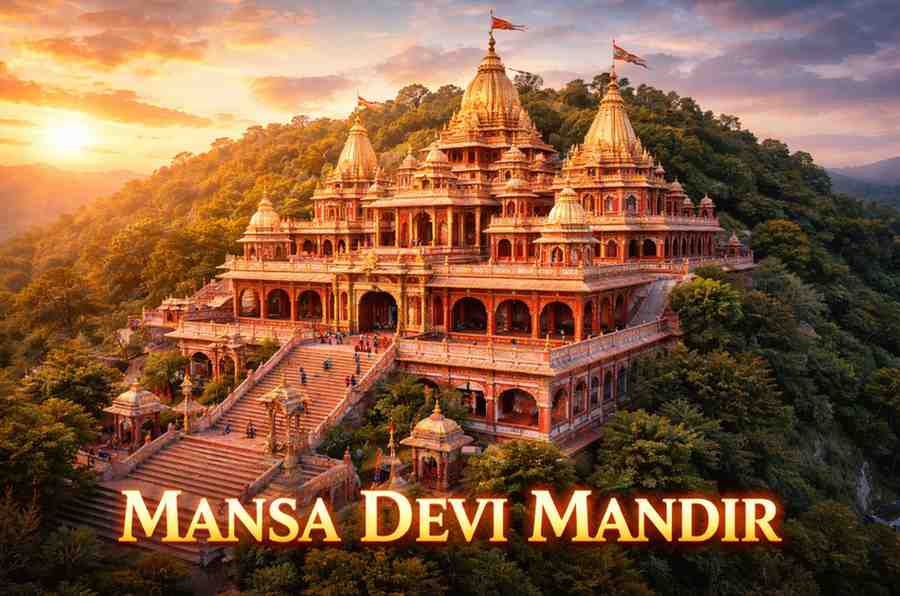
The entire complex in Panchkula is spread over 100 acres. Goddess Mansa Devi, whose name originates from “Manas” (mind or desire), is a wish-fulfilling deity born from the mind of Lord Shiva. She is believed to grant the sincere prayers of her devotees, especially for protection, healing, and prosperity. In addition to the Panchkula complex, there is another important Mansa Devi Temple situated atop Bilwa Parvat in Haridwar, Uttarakhand, offering panoramic views of the holy city and the Ganges.
Mysore Chamundeshwari Temple 2026: Complete Guide to Darshan, Sevas, and Travel Tips
Mansa Devi Mandir in 2026 Temple Overview at a Glance
Daily Timings, Puja, and Aarti Schedule
The temple timings differ for the summer and winter seasons. The schedule includes specific windows for key rituals.
Sevas, Darshans, and Price Offerings
General entry for darshan is free at both the Panchkula and Haridwar temples. The shrine board offers special services for a closer darshan experience and various sevas for devotees. The below rates are for the Panchkula complex.
How to Reach the Temple
The Mansa Devi temples are well-connected and easy to reach.
- For the Panchkula Temple:
- By Air: The nearest airport is Chandigarh International Airport (IXC), approximately 20 km away.
- By Rail: The nearest major railway station is Chandigarh Junction (CDG). Panchkula also has its own railway station.
- By Road: The temple complex is easily accessible from Chandigarh, Panchkula, and Mohali via taxi or auto-rickshaw. It is situated near the foothills of the Shivalik range.
- For the Haridwar Temple:
- By Air: The nearest airport is Jolly Grant Airport in Dehradun (DED), about 35 km from Haridwar.
- By Rail: Haridwar Junction (HW) is a major railway station with excellent connectivity.
- By Road: Haridwar is well-connected by national highways from Delhi, Rishikesh, and other cities.
- Ascending the Hill: In Haridwar, you have two options to reach the hilltop temple. You can trek up the approximately 1.5 km path of stairs (around 786 steps), or take the scenic Udan Khatola ropeway. The ropeway typically operates from morning until evening.
How to Book Darshan Tickets and Sevas
- General Darshan: No booking is required. You can join the free queue during temple hours.
- Special Darshan Tokens: To avoid long queues, you can purchase Sugam Darshan (₹500) or Preferential Darshan (₹100) tokens at the counters near the main temple in Panchkula.
- Seva (Ritual) Booking: Advance booking is recommended for sevas like Havan, Jagran, or Chola. For the most accurate procedure and contact details for booking, refer to the Shri Mata Mansa Devi Shrine Board’s official communications.
- Haridwar Ropeway Tickets: Tickets for the ropeway can be purchased at the base station. Online booking might also be available through the service provider’s official channels.
Nearby Attractions to Visit
The areas around both temples have other interesting places for pilgrims and tourists.
- In and around Panchkula/Chandigarh: Visit the famous Rock Garden, Sukhna Lake, and the Capitol Complex designed by Le Corbusier. The Mata Chandi Devi Temple is also located within the same shrine complex in Panchkula.
- In Haridwar: The top attraction is Har Ki Pauri, the sacred ghat for the spectacular evening Ganga Aarti. You can also visit Chandi Devi Temple (another hilltop shrine), Maya Devi Temple, and Bharat Mata Mandir.
Important Instructions for Visitors
Following temple rules ensures a respectful and smooth experience for everyone.
- Dress Code: Modest and respectful clothing is expected. Avoid shorts, skirts, or sleeveless tops.
- Prohibited Items: Smoking, non-vegetarian food, alcohol, and any intoxicants are strictly banned within the entire shrine complex. Leather items are also generally discouraged.
- Queue Discipline: Always perform darshan in the designated queue. Be patient and avoid pushing.
- Special Facilities: Lift facilities are available for senior citizens, persons with disabilities, pregnant women, and patients.
- Valuables and Cleanliness: Keep your personal valuables safe. Help maintain the temple’s sanctity by not littering and using the bins provided.
Accommodation Options for Pilgrims
Both Panchkula and Haridwar offer a range of places to stay, from simple pilgrim lodges to comfortable hotels.
Dos and Don’ts at the Temple
Frequently Asked Questions about the Temple
What is the best time to visit Mansa Devi Temple?
The best time for a pleasant visit is during the cooler months from October to March. For a grand spiritual experience, plan your visit during the Navratri festivals or Shravan month, though these are the most crowded times.
Why do people tie threads at the temple?
Tying a sacred thread (often red or orange) on the grills or a designated tree is a popular ritual symbolizing a vow or a wish made to the Goddess. When the wish is fulfilled, devotees return to untie the thread as a gesture of gratitude.
Can non-Hindus visit the temple?
Yes, people of all faiths are welcome to visit the temple complex. However, everyone is expected to follow the temple’s rules, dress code, and maintain the decorum of a sacred place.
Are there any free services for devotees?
Yes, a key service is the massive Bhandara (community kitchen) that serves free meals to thousands of devotees every single day. The number served increases significantly during festivals.
What makes the Panchkula and Haridwar temples different?
While both are dedicated to Goddess Mansa Devi, they are separate temples in different states. The Panchkula temple is the original and main administrative seat of the Shrine Board, with a large complex of two historical temples. The Haridwar temple is a major Shakti Peetha located on a hill, offering a ropeway ride and is part of the holy circuit in that city.