
The Arulmigu Dhandayuthapani Swamy Temple in Palani is one of the most powerful and highly respected Murugan temples in India . Situated on the calm and scenic Palani Hills in the Dindigul district of Tamil Nadu, this divine shrine is a part of the sacred Arupadai Veedu (Six Abodes of Lord Murugan). It attracts lakhs of devotees every year who come to seek wisdom, good health, obstacle removal, success, and inner peace .
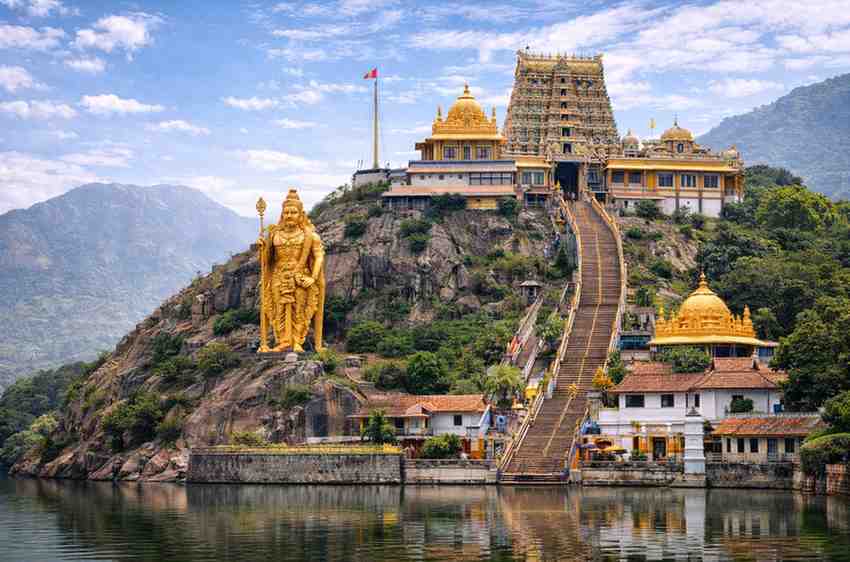
The temple’s presiding deity, Lord Dhandayuthapani, stands in a unique form holding a staff (Dhandam), symbolizing discipline, knowledge, and renunciation . What makes this temple exceptionally special is the main idol itself – it is believed to be made of Navapashanam, a divine amalgam of nine medicinal minerals created by the revered Siddhar Bogar . This is also the place where Murugan resided after his feud with his family over a divine fruit, making it deeply significant in Hindu mythology .
Known for its ancient traditions and spiritual energy, Palani Temple holds a very special place in the hearts of Lord Murugan’s devotees . Great Tamil poet Avvaiyar, known not only for her poetic excellence but also for wisdom, called Murugan “Pazham Nee” so the place came to be known as Pazhani .
2026 Darshan Timings: Complete Daily Schedule
Knowing the exact temple timings will help you schedule your darshan, Abhishekam, and special poojas without wasting time in queues . The temple remains open most of the day, with a short afternoon break for rituals and maintenance .
Daily Darshan Timings at Palani Temple 2026
| Darshan Session | Opening Time | Closing Time |
|---|---|---|
| Morning Darshan | 5:45 AM | 1:00 PM |
| Afternoon Break | 1:00 PM | 4:00 PM |
| Evening Darshan | 4:00 PM | 8:00 PM |
*Sources: *
Important Notes for Devotees
- During festivals like Thai Poosam, Panguni Uthiram, or Skanda Shasti, the temple may remain open longer, often opening as early as 4:00 AM and closing after 9:00 PM to manage large crowds
- Morning darshan is generally less crowded, so visiting early is recommended for a peaceful spiritual experience
- Evening darshan allows devotees to witness special poojas and aartis, making it an ideal time for immersive devotion
By planning your visit according to these timings, you can enjoy a seamless darshan experience and participate fully in the temple rituals .
Complete Pooja Schedule: 6 Daily Rituals
The poojas at Palani Murugan Temple are performed with deep devotion, traditional chants, sacred music, and elaborate offerings . There are six pujas performed every day . Each ritual carries a special spiritual significance, helping devotees connect with Lord Dhandayuthapani (Murugan) and receive divine blessings .
| Pooja Name | Timing |
|---|---|
| Vishwaroopa Darshan | 5:40 AM |
| Vila Pooja | 6:50 AM |
| Sirukalasanthi | 8:00 AM |
| Kalasanthi | 9:00 AM |
| Uchikalam | 12:00 PM |
| Sayaraksha (Raja Alankaram) | 5:30 PM |
| Rakaala Pooja | 8:00 PM |
| Palliarai | 8:30 PM |
*Sources: *
Additional Rituals
| Ritual | Timing |
|---|---|
| Milk Abhishekam | 7:30 AM |
| Panchamirtham Abhishekam | 7:30 AM |
| Golden Chariot (Thanga Ratham) | 6:30 PM – 7:00 PM |
| Golden Peacock Procession | 6:30 PM |
*Sources: *
By following this pooja schedule, devotees can maximize their spiritual experience and participate in the sacred rituals performed daily by the temple priests .
Alangaram (Divine Decoration) Timings
A key aspect of the Palani Murugan Temple experience lies in understanding the Alangaram (decoration) schedule. Throughout the day, different alangarams are performed, each with unique significance :
Types of Alangaram
Vibhuti Alangaram (Early Morning):
This early morning ritual involves adorning the deity with sacred ash, creating an atmosphere of reverence and purity. The application of vibhuti is believed to ward off negative energies and invoke divine blessings .
Sandana Kappu (Midday):
At midday, the deity is decorated with sandalwood paste, known for its cooling and fragrant properties. This ritual symbolizes the bestowing of peace and tranquility upon the devotees .
Pushpa Alangaram (Evening):
As evening descends, the deity is adorned with vibrant flowers, representing the offering of beauty and devotion. This ritual is a celebration of nature’s bounty and the divine’s presence .
Raja Alankaram
The Sayaraksha pooja at 5:30 PM is also known as Raja Alankaram (Royal Decoration), when the Lord is adorned in his most splendid royal attire .
Each alangaram is meticulously performed by temple priests, following a precise schedule that begins early in the morning and continues throughout the day. These rituals add to the temple’s spiritual richness and offer devotees a glimpse into the divine .
Online Booking: Darshan & Pooja Tickets 2026
To make your visit smooth and hassle-free in 2026, the temple offers an official online booking facility for special darshan, Abhishekams, and poojas .
Official Booking Website: palanimurugan.hrce.tn.gov.in
Step-by-Step Online Booking Process
- Visit the official website – Go to the Palani Murugan Temple HR&CE portal
- Click on “Temple Booking Service” – Find this option on the homepage
- Choose “Temple Service” – Select “Special Darshan” or any Pooja/Seva option
- Select your preferred date and time slot – Choose based on availability
- Fill in devotee details – Name, Age, Gender, Address, and complete the captcha
- Proceed to payment – The portal accepts UPI, cards, and net banking
- Download your e-ticket – After payment, you’ll receive confirmation via SMS and email
What Can Be Booked Online?
- Special Darshan tickets
- Various Poojas and Abhishekams
- Golden Chariot (Thanga Ratham) darshan
- Other offerings and temple services
Tips for Booking During Festivals and Peak Season
- Slots during Thai Poosam, Panguni Uthiram, Skanda Shasti, weekends, and public holidays fill up very quickly
- Book your tickets at least 10–15 days in advance to avoid disappointment
- Early morning slots are ideal for a peaceful darshan experience with fewer crowds
- Carry the same mobile number used for booking and a valid ID proof when you visit the temple
Ticket Prices & Pooja Charges 2026
The temple offers both free and paid darshan options so that devotees can choose based on their convenience, spiritual preference, and time availability .
Darshan Options
| Darshan Type | Normal Days Price | Special Days Price |
|---|---|---|
| Free Darshan | Free | Free |
| Special Entrance Darshan | ₹10 | ₹20 |
| Separate Special Darshan | ₹100 | ₹200 |
| Vishwaroopa Darshan | ₹100 | ₹200 |
*Sources: *
Pooja Charges 2026
| Pooja Type | Normal Days Price |
|---|---|
| Vila Pooja | ₹150 |
| Kalasanthi Pooja | ₹150 |
| Siru Kala Santhi Pooja | ₹150 |
| Uchikala Pooja | ₹150 |
| Irakala Pooja | ₹150 |
| Sayaratchai Pooja | ₹150 |
| Kattalai Poojas (Sponsor Edition) | ₹900 each |
*Sources: *
Abhishekam & Offering Charges
| Offering | Price |
|---|---|
| Milk Abhishekam | ₹25 |
| Panchamirtham Abhishekam | ₹25 |
| Archana (Ashtothiram) | ₹5 |
| Archana (Sahasranamam) | ₹10 |
| Thirtha Kavadi | ₹20 |
| Thooku Kavadi | ₹10 |
| Kadhu Kuthu (Ear Piercing) | ₹2 |
| Combined Abhishekam | ₹75 |
| Golden Chariot (Thanga Ratham) | ₹2,000 |
| Golden Peacock Procession | ₹1,000 |
| Thulabaram | ₹10 |
| Panchamirtham Prasadam (½ kg) | ₹75 |
*Source: *
Important Notes
- Prices are designed to be affordable for all devotees seeking blessings
- During festivals and peak days, some darshan options and poojas may require prior online booking
- For rituals like Golden Chariot, Golden Peacock Procession, or Special Darshan, booking in advance is strongly recommended
Winch & Rope Car Charges: Easy Hill Access
For devotees who prefer not to climb the 693 stone steps to reach the temple, the temple provides comfortable rope car and winch services . These options make the ascent easier, especially for elderly pilgrims, children, or anyone with physical constraints, while still offering a scenic view of the Palani Hills .
Palani Rope Car & Winch Charges 2026
| Service | Adult One Way | Child One Way | Return Trip |
|---|---|---|---|
| Winch (Ordinary) | ₹10 | ₹10 | ₹5 |
| Winch (Special) | ₹50 | ₹50 | ₹25 |
*Source: *
Important Notes
- Operating Hours: Rope cars and winches run daily from early morning until late evening, depending on crowd size and weather conditions
- Many devotees still prefer climbing the steps as an act of devotion, while others choose the rope car or winch for a comfortable and quick journey
- Special winch services are ideal for those who want a faster and more convenient ascent
- Always carry your ticket and follow the instructions provided by the temple staff for a safe ride
Dress Code & Temple Guidelines
Dress Code
Traditional attire is generally preferred when visiting the temple :
- Men: Should wear dhoti (veshti) or pants with a shirt
- Women: Should wear saree, half-saree, or salwar kameez
- What to Avoid: Shorts, torn clothing, and revealing outfits
As per temple rules, devotees should not wear any head guards like helmets, caps, turbans, and hats inside the temple premises .
Important Do’s
- Do pray to your Ishta Devata before pilgrimage to the Temple
- Do contact the Temple Devasthanam information centre for enquiry, temple information, and Pooja details
- Do reserve your travel and accommodation well in advance
- Do bathe and wear clean clothes before you enter the temple
- Do concentrate on God and Goddess inside the temple
- Do maintain silence and recite Om Saravanaphava or your Istamantram to yourself inside the temple
- Do observe ancient custom and traditions while in Temple
- Do respect religious sentiments at Temple
- Do deposit your offerings in the hundi only
Important Don’ts
- Do not come to Temple for any purpose other than worshipping of God and Goddess
- Do not smoke at Temple
- Do not consume alcoholic drinks at Temple
- Do not eat non-vegetarian food in the Kshetram
- Do not approach mediators for quick Darshanam – it may cause inconvenience to others
- Do not carry any weapon inside the temple
- Do not perform Sastanga Pranama inside the Sanctum Sanctorum
- Do not take much time while performing Sparsa Darshanam to God in Garbhagriha
- Do not buy spurious prasadams from street vendors
- Do not encourage beggars at Temple
- Do not spit or create nuisance in the premises of the temple
Photography Rules
- Photography is strictly prohibited inside the inner sanctum and the Navagraha shrine
- Mobile phones are allowed but must be silenced
Major Festivals in 2026
The Palani Murugan Temple comes alive during major festivals, marked by unique rituals and offerings deeply rooted in cultural traditions .
| Festival | 2026 Dates (Tentative) | Significance |
|---|---|---|
| Thai Poosam | January – February | Most important festival; devotees carry kavadis and tonsure as a mark of penance |
| Panguni Uthiram | March – April | Celestial wedding of Lord Murugan and Deivanai |
| Vaikasi Visakam | May – June | Celebrates Murugan’s birth |
| Skanda Sashti | May – June | Celebrates Murugan’s victory over the demon Surapadman |
| Surasamharam | October – November | Celebrates Lord Murugan’s victory over the demon Surapadman |
| Karthigai Deepam | November – December | Lit with oil lamps all over the temple premises |
Special Traditions
- Tonsuring (Head Offering): One of the chief traditions of this temple is the tonsuring of devotees, who vow to discard their hair in imitation of the Lord of Palani
- Rakkala Sandhanam: Another special tradition is the anointing of the head of the God’s idol with sandalwood paste at night, prior to the temple being closed. The paste, upon being allowed to stay overnight, is said to acquire medicinal properties, and is much sought after and distributed to devotees
How to Reach Palani Murugan Temple
Palani is well-connected and easily accessible for devotees traveling from nearby cities or other parts of India .
By Road
Palani is well-connected by a network of roads. Frequent buses and private vehicles operate from major Tamil Nadu cities including:
- Madurai
- Coimbatore
- Dindigul
- Trichy (Tiruchirappalli)
- Chennai
Traveling by road allows you to enjoy the picturesque views of the Palani Hills while reaching the temple comfortably .
By Train
- Nearest Station: Palani Railway Station (PLNI) is just 3 km from the temple
- Direct trains connect Palani to Chennai, Coimbatore, and Tiruchirappalli
By Air
- Nearest Airport: Coimbatore International Airport (CJB), approximately 100 km away
- Taxis and buses are available from the airport to reach Palani
Accommodation Options
A range of accommodations, including lodges and hotels, are available near the temple to cater to the needs of devotees . Booking in advance is recommended, especially during peak seasons and festival times .
Types of Accommodation
| Accommodation Type | Features |
|---|---|
| Budget Lodges | Basic amenities, close to temple, affordable rates |
| Mid-range Hotels | Comfortable rooms, modern amenities |
| Temple Guest Houses | Managed by temple trust, convenient location |
Booking Tips
- Reserve your accommodation well in advance through the Temple Devasthanam or online travel portals
- During festivals like Thai Poosam and Panguni Uthiram, rooms fill up months in advance
Frequently Asked Questions (FAQs)
Q1: What are the Palani Murugan Temple darshan timings for 2026?
A: The temple is open from 5:45 AM to 1:00 PM and 4:00 PM to 8:00 PM daily. During festivals, it opens at 4:00 AM and may close after 9:00 PM .
Q2: Is there free darshan available?
A: Yes, general darshan is completely free for all devotees .
Q3: How much is Special Darshan at Palani Temple?
A: Special Darshan costs ₹100 per person and allows faster access and closer viewing of the deity .
Q4: Can I book darshan and pooja tickets online?
A: Yes, visit the official website palanimurugan.hrce.tn.gov.in to book darshan, pooja, and sevas online .
Q5: What are the alangaram timings at Palani Murugan Temple?
A: Alangaram timings typically occur in the morning and evening. The morning alangaram commences around 5:30 AM, while the evening alangaram begins around 6:00 PM . Special decorations like Raja Alankaram occur during the 5:30 PM Sayaraksha pooja .
Q6: What is the dress code for visiting Palani Temple?
A: Traditional attire is preferred – men should wear dhoti or pants with shirt, women should wear saree or salwar kameez . Avoid shorts, torn clothing, and headwear inside the temple .
Q7: What is the cost of winch service to reach the temple?
A: Ordinary winch costs ₹10 one way (₹5 return), and special winch costs ₹50 one way (₹25 return) .
Q8: What is the idol of Lord Murugan made from?
A: The idol is believed to be made of Navapashanam, a mix of nine medicinal minerals, created by Siddhar Bogar .
Q9: What are the famous rituals at Palani Temple?
A: Key rituals include tonsuring (head offering), kavadi carrying, and anointing the deity with sandalwood paste (rakkala sandhanam) .
Q10: When is the best time to visit Palani Temple?
A: For peaceful darshan, early morning hours (6:00 AM – 7:30 AM) are ideal . For festivals, plan according to Thai Poosam, Panguni Uthiram, or Skanda Sashti celebrations .
Contact Information
Temple Address:
Arulmigu Dhandayuthapani Swamy Temple,
315 Head Office, North Giri Street,
Palani, Dindigul District – 624601, Tamil Nadu
Phone Number: 04545-241293
Official Booking Website: palanimurugan.hrce.tn.gov.in
Conclusion: A Soulful Spiritual Experience
The Palani Murugan Temple offers a truly transformative spiritual experience for devotees seeking the blessings of Lord Dhandayuthapani. From the serene hilltop location and the unique Navapashanam idol to the beautifully decorated alangarams and the vibrant festival celebrations, every aspect of this temple invites devotees into a deeper connection with the divine.
By planning your visit using this comprehensive guide, booking tickets online in advance, and following the temple’s guidelines, you can ensure a smooth, hassle-free, and spiritually fulfilling pilgrimage in 2026.
Whether you are climbing the sacred steps, taking the winch, or simply sitting in quiet meditation before the Lord, a visit to Palani Murugan Temple fills the heart with devotion and positivity . May your journey bring you peace, prosperity, and abundant blessings from Lord Murugan!