
Located on the banks of the sacred Bagmati River in Kathmandu, Pashupatinath Temple stands as Nepal’s holiest Hindu shrine and one of the most significant Shiva temples in the world. This UNESCO World Heritage Site attracts thousands of devotees daily who come to seek blessings from Lord Pashupatinath, the “Lord of All Creatures.” The temple complex spans approximately 264 hectares and represents the pinnacle of Nepalese pagoda architecture, drawing pilgrims from across the Indian subcontinent and beyond. The sacred site holds immense spiritual significance for Shaivites, who believe that a visit to this temple ensures liberation from the cycle of birth and death.
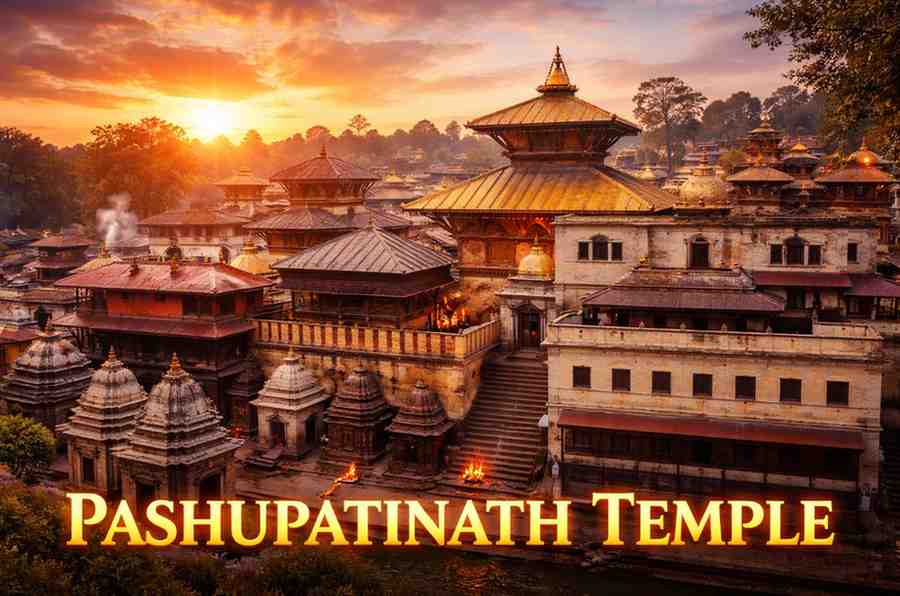
The temple’s location on the banks of the Bagmati River, considered the holiest river in Nepal, adds to its sanctity, as devotees perform last rites and cremation ceremonies here, believing it leads to moksha. The complex houses over 500 temples, shrines, and monuments, making it one of the largest temple complexes in South Asia. The main temple structure, with its distinctive two-tiered golden roof and silver-plated doors, stands as a testament to the rich cultural heritage of the Kathmandu Valley. For 2026, the temple continues its centuries-old tradition of welcoming devotees with specific darshan timings that accommodate both local worshippers and international pilgrims seeking divine blessings .
Meenakshi Temple Darshan 2026 : Official,Ticket Price Online & Dates
Daily Darshan Timings for 2026
The temple follows a structured daily schedule with specific timings for morning and evening darshan, ensuring that devotees can plan their spiritual journey effectively. The morning session begins at the auspicious hour of 4:00 AM when the temple gates open to welcome the first devotees of the day. The inner sanctum, where the sacred four-faced Shiva Lingam resides, becomes accessible at 5:00 AM, allowing devotees to witness the divine presence of Lord Pashupatinath. This morning darshan window continues until 12:00 PM, providing ample time for pilgrims to offer their prayers, perform rituals, and receive blessings.
The midday period from 12:00 PM to 5:00 PM marks the temple’s closure for rest and maintenance, during which the deity is offered special bhog and the priests conduct private rituals to rejuvenate the sacred space. The evening darshan commences at 5:00 PM and extends until 9:00 PM, allowing devotees to conclude their day with divine blessings. During the evening hours, the temple assumes a mystical atmosphere as oil lamps illuminate the complex and the sounds of evening aarti fill the air. The Bagmati River ghats adjacent to the temple become particularly active during evening hours, with cremation ceremonies and religious rituals creating a profound spiritual ambiance. Devotees should note that the last entry is permitted shortly before the closing time to ensure sufficient time for proper darshan and participation in closing rituals. These timings remain consistent throughout most of the year, with exceptions made for major festivals and special occasions .
| Session | Opening Time | Closing Time | Notes |
|---|---|---|---|
| Morning Darshan | 4:00 AM | 12:00 PM | Inner sanctum opens at 5:00 AM for lingam viewing |
| Midday Closure | 12:00 PM | 5:00 PM | Temple completely closed for rest and maintenance |
| Evening Darshan | 5:00 PM | 9:00 PM | Last entry allowed before closing rituals |
Aarti and Ritual Schedule
- The temple conducts elaborate aarti ceremonies that represent the pinnacle of devotional experience for visitors, with each ritual carrying deep spiritual significance and precise timing. The Mangala Aarti, performed between 4:30 AM and 5:00 AM in the main temple sanctum, marks the awakening of Lord Pashupatinath and lasts approximately thirty minutes, filling the predawn air with sacred chants and the fragrance of incense.
- This early morning ceremony offers devotees a unique opportunity to witness the deity at the most auspicious hour when the spiritual energy is believed to be at its peak. Following the morning aarti, special abhishekam and pooja ceremonies continue from 9:30 AM to 1:30 PM, allowing registered devotees to participate in elaborate worship rituals including Rudrabhishekam and other Vedic ceremonies.
- The Sandhya Aarti at 6:00 PM in the main temple marks the transition from day to night, with priests offering elaborate lamp ceremonies to the deity. However, the most spectacular ritual for visitors is the Bagmati River Aarti, conducted from 6:00 PM to 7:30 PM on the river ghats, where trained priests perform synchronized movements with large brass lamps while devotees chant bhajans in praise of Lord Shiva.
- This riverside ceremony creates an ethereal atmosphere as hundreds of oil lamps reflect on the flowing waters, accompanied by the sound of bells and devotional music. The aarti timing varies seasonally to accommodate the changing sunset hours, ensuring that the ceremony always coincides with the auspicious sandhya kaal .
| Ritual | Timing | Location | Duration |
|---|---|---|---|
| Mangala Aarti (Morning) | 4:30 AM – 5:00 AM | Main Temple Sanctum | Approximately 30 minutes |
| Special Abhishekam/Pooja | 9:30 AM – 1:30 PM | Inner Sanctum | For registered devotees |
| Sandhya Aarti (Evening) | 6:00 PM | Main Temple | Main evening worship ceremony |
| Bagmati River Aarti | 6:00 PM – 7:30 PM | Bagmati River Ghats | Spectacular lamp ceremony on the riverbank |
Seasonal Variations for Evening Aarti 2026:
| Season | Months | Aarti Start Time |
|---|---|---|
| Winter | November – February | 5:30 PM |
| Spring | March – May | 6:00 PM |
| Summer/Monsoon | June – August | 6:30 PM |
| Autumn | September – October | 6:00 PM |
Dharmasthala Temple 2026: History, Rituals,Temple: Transport, Stay & Temple Rules
Special Festival Timings
During major festivals, Pashupatinath Temple transforms into a spiritual epicenter with extended hours and special ceremonies that attract devotees from across the globe.
Maha Shivratri 2026 (February 26, 2026):
- Temple gates open exceptionally early at 2:15 AM
- Continuous darshan throughout the day and night
- Four-phase night-long vigil: 6:00 PM, 9:00 PM, midnight, and 3:00 AM to 6:00 AM
- Over 800,000 devotees expected, including 3,500 sadhus from India
Teej (August/September):
- Special early morning openings for women devotees
- Devotees fast and pray for marital bliss and family prosperity
Bala Chaturdashi:
- Extended evening hours for lamp offerings
- Thousands of oil lamps offered in memory of departed souls
Harishayani and Haribodhini Ekadashi:
- Special abhishekam timings from early morning
- Mark the beginning and end of the Chaturmas period
Festival Arrangements:
- Temple trust makes special crowd management arrangements
- Additional prasad distribution during peak times
- Enhanced security for devotee safety and comfort
Entry Requirements and Fees
Pashupatinath Temple maintains a structured entry system that balances accessibility for devotees with the preservation of its sacred character.
Indian Nationals:
- Complimentary entry to the temple complex
- Full access to inner sanctum upon verification of Hindu identity
- Reflects deep cultural and religious ties between Nepal and India
Nepali Citizens:
- Free entry to the temple complex
- Full access to inner sanctum
- Temple serves as national deity headquarters
SAARC Nationals:
- Entry fee: 500 NPR
- Access to outer complex only
- Non-Hindus restricted from inner sanctum regardless of nationality
Foreign Nationals:
- Entry fee: 1,000 NPR (approximately $7.50 USD)
- Access to outer complex and eastern riverbank terraces
- Inner temple restricted to practicing Hindus
- Can participate in Bagmati River Aarti
Fee Utilization:
- Supports maintenance and preservation of UNESCO World Heritage Site
- Ensures spiritual experience remains accessible to all economic segments
- Managed by Pashupati Area Development Trust
| Visitor Category | Entry Fee | Access Level |
|---|---|---|
| Indian Nationals | Free | Full access to inner sanctum |
| Nepali Citizens | Free | Full access to inner sanctum |
| SAARC Nationals | 500 NPR | Outer complex only (non-Hindus restricted from inner sanctum) |
| Foreign Nationals | 1,000 NPR (approx. $7.50 USD) | Outer complex and terraces only; inner temple restricted to practicing Hindus |
Sarpa Samskara Pooja 2026: Kukke Subramanya Temple Darshan, Cost & Booking
Daily Ritual Breakdown
The temple follows a precise daily routine that has remained largely unchanged for centuries, creating a rhythm of worship that devotees can align with for maximum spiritual benefit.
- 4:00 AM: Temple gates open for devotees
- 8:30 AM: Priests bathe and dress the deity, change jewelry and clothes
- 9:30 AM: Baal Bhog (breakfast offering) to Lord Pashupatinath
- 10:00 AM – 1:45 PM: Farmayishi Puja (special request pujas for devotees)
- 1:50 PM: Lunch offering to the Lord
- 2:00 PM: Morning prayers conclude, preparation for midday closure
- 5:15 PM: Evening Aarati begins at the main temple
- 6:00 PM onwards: Bagmati Ganga Aarati with Tandava Bhajan on Saturdays, Mondays, and special occasions
- 9:00 PM: Temple doors close for the day
Visitor Guidelines
To ensure a respectful and spiritually fulfilling visit, devotees must adhere to specific guidelines that preserve the sanctity of this ancient shrine.
Dress Code Requirements:
- Modest, conservative clothing required for all visitors
- Men should wear long pants; women should cover shoulders and knees
- Remove shoes, belts, wallets, and all leather items before entering
Prohibited Items:
- Leather goods (belts, wallets, shoes) strictly forbidden inside
- Cameras and photography equipment not allowed in inner sanctum
- Drones strictly banned and will be confiscated
Photography Rules:
- Photography prohibited inside the main temple sanctum
- No flash photography during aarti ceremonies
- Do not photograph cremation ceremonies at Arya Ghat while facing away from the aarti
Best Visiting Times:
- Early morning (5:00-8:00 AM) for peaceful darshan
- Evening (5:00-7:00 PM) to witness the spectacular aarti ceremonies
- Allocate 90-120 minutes for complete site exploration
Sanwariya Seth Mandir 2026: How to Reach, Darshan Rules, and Ritual,History
How to Reach
Reaching Pashupatinath Temple from various parts of Kathmandu is straightforward, with multiple transportation options available to suit different budgets and preferences.
From Thamel (Kathmandu city center):
- Approximately 25 minutes by taxi
- Most accessible route for tourists staying in main accommodation area
Taxi Information:
- Fare: Around 500 NPR one-way
- Arrange for driver to wait as return taxis charge significantly higher rates
- Recommended for comfort and convenience
Public Transport:
- Local buses available but often overcrowded
- Can be uncomfortable, especially during peak hours
- Budget-friendly option for solo travelers
From Tribhuvan International Airport:
- Approximately 4 kilometers distance
- 15-20 minutes by taxi depending on traffic
- Easily accessible for international visitors
From Patan or Bhaktapur:
- Accessible via local transportation
- Slightly longer travel times
- Good connectivity through major roads
Hotel Services:
- Many hotels and guesthouses offer arranged transportation
- Can be booked in advance for hassle-free experience
Temple Architecture and Sacred Complex
Pashupatinath Temple showcases the finest examples of Nepalese pagoda-style architecture, featuring intricate woodcarvings, silver-plated doors, and a distinctive two-tiered golden roof that gleams in the sunlight.
Main Temple Sanctum:
- Houses the sacred Chaturmukhi Lingam (four-faced Shiva Lingam)
- Represents the four cardinal directions and four primary aspects of Lord Shiva
- Each face named according to direction and symbolic meaning
Four Faces of the Lingam:
- Sadyojata (West): Represents creation
- Vamadeva (North): Represents preservation
- Aghora (South): Represents destruction or regeneration
- Tatpurusha (East): Represents the supreme soul or ultimate reality
Complex Specifications:
- Spans approximately 264 hectares
- Contains over 500 individual temples, shrines, and monuments
- One of the largest religious complexes in South Asia
Bagmati River Ghats:
- Flows immediately beside the main temple
- Stone ghats for continuous cremation ceremonies
- Devotees believe cremation here ensures liberation from rebirth
Eastern Riverbank Terraces:
- Best vantage points for viewing temple architecture
- Ideal for photographing golden spires against the sky
- Particularly beautiful during sunrise and sunset
Additional Shrines:
- Smaller shrines dedicated to Parvati, Ganesha, and Hanuman
- Guhyeshwari Temple adjacent to main complex (important Shakti Peetha)
- Arya Ghat for royal family and prominent citizen cremations
| Area | Significance | Access |
|---|---|---|
| Main Temple Sanctum | Houses the four-faced Shiva Lingam | Hindus only |
| Bagmati River Ghats | Sacred cremation site and aarti location | All visitors |
| Eastern Riverbank Terraces | Best viewing point for temple photography | All visitors |
| Arya Ghat | Traditional cremation grounds | Respectful viewing only |
| Outer Courtyards | Smaller shrines and lingams | All visitors |
Kollur Mookambika Temple 2026: Official Seva Booking, Timings & Travel Tips
Historical Significance and UNESCO Heritage
Pashupatinath Temple holds immense spiritual and historical importance that extends far beyond its religious functions to encompass cultural, architectural, and national significance for Nepal.
Religious Status:
- Recognized as one of the eight sacred Shiva temples (Ashtavinayak) in the Indian subcontinent
- Draws pilgrims seeking to complete their spiritual circuit of major Shaivite shrines
UNESCO Recognition:
- Designated as UNESCO World Heritage Site in 1979
- Represents pinnacle of traditional Nepalese architecture
- Living museum of Hindu religious practices continued uninterrupted for centuries
Historical Timeline:
- Shrine existed at this location since 400 CE
- Current temple structure rebuilt in 1697 CE following termite destruction
- Subsequent renovations and additions over the centuries
Annual Pilgrimage Statistics:
- Attracts over one million pilgrims annually
- Visitor numbers double during Maha Shivratri festival
- Devotees converge from India, Nepal, and worldwide for night-long vigil
National Significance:
- Headquarters of Nepal’s national deity
- Represents syncretic cultural heritage of Kathmandu Valley
- Hindu and Buddhist traditions coexist and influence each other
Resilience Symbol:
- Survived numerous earthquakes including devastating 2015 Nepal earthquake
- Reinforced status as symbol of resilience and divine protection
Management:
- Pashupati Area Development Trust oversees conservation efforts
- Manages ritual maintenance and visitor services
- Ensures ancient heritage site serves future generations
Special Sevas and Pooja Bookings
Devotees seeking deeper spiritual engagement can participate in various special sevas and poojas that offer personalized blessings and religious merit.
Rudrabhishekam:
- Conducted between 9:30 AM and 1:30 PM
- Priests pour sacred offerings (milk, honey, ghee, holy water) over Shiva Lingam
- Vedic hymns chanted throughout the ceremony
- Believed to remove obstacles and bestow prosperity
Laghu Rudra:
- Condensed version of full Rudra ritual
- Available during morning hours
- Requires advance booking through temple office
Maharudra:
- Elaborate multi-priest ceremony for special occasions
- Extensive Vedic recitations and offerings
- Coordinated through temple trust
Special Aarti Participation:
- 6:00 PM timing for personal lamp offerings to deity
- Donation-based access that supports temple maintenance
Booking Process:
- Advance registration at Pashupati Area Development Trust office
- Located within the temple complex
- Priests and administrators assist in selecting appropriate rituals
- Based on specific needs and astrological considerations
Records and Prasad:
Temple maintains detailed records of all special pujas performed
Devotees receive prasad and blessed items following ceremonies
Festival Demand:
Demand increases significantly during major festivals
Advise booking well in advance to secure preferred timing
Ensures proper arrangements for elaborate ceremonies
| Seva Type | Timing | Booking Method |
|---|---|---|
| Rudrabhishekam | 9:30 AM – 1:30 PM | Temple office |
| Laghu Rudra | Morning hours | Advance booking required |
| Maharudra | Special occasions | Temple trust coordination |
| Special Aarti Participation | 6:00 PM | Donation-based access |
Nearby Attractions and Extended Pilgrimage
While visiting Pashupatinath, devotees can extend their spiritual journey to include other significant religious and cultural sites in the Kathmandu Valley, creating a comprehensive pilgrimage circuit.
Boudhanath Stupa:
Located just 2 kilometers from Pashupatinath
One of the largest Buddhist stupas in Nepal
Major center of Tibetan Buddhism
Offers serene contrast to Hindu temple atmosphere
Guhyeshwari Temple:
Adjacent to the main temple complex
Important Shakti Peetha dedicated to Goddess Parvati
Deity worshipped as Guhyeshwari
Devotees seek blessings for marital harmony and spiritual power
Swayambhunath:
Approximately 4 kilometers away
One of the oldest religious sites in Nepal
Sacred to both Hindus and Buddhists
Features white-domed stupa with all-seeing eyes painted on all four sides
Kathmandu Durbar Square:
Situated 3 kilometers from Pashupatinath
UNESCO World Heritage Site
Showcases historical palaces, temples, and courtyards
Includes Kumari Ghar where the living goddess resides
Budhanilkantha Temple:
Located 8 kilometers away
Houses magnificent reclining Vishnu statue
Carved from single block of black stone
One of the most important Vaishnavite shrines in the valley
Pilgrimage Planning:
Many pilgrims combine Pashupatinath visit with darshan at nearby sites
Circuit often completed over two to three days
Allows full absorption of spiritual and cultural richness
Proximity enables flexible itinerary planning
Taxis and local transportation readily available between locations
| Attraction | Distance | Significance |
|---|---|---|
| Boudhanath Stupa | 2 km | One of the largest Buddhist stupas in Nepal |
| Guhyeshwari Temple | Adjacent | Important Shakti Peetha |
| Swayambhunath | 4 km | Ancient Buddhist and Hindu pilgrimage site |
| Kathmandu Durbar Square | 3 km | UNESCO World Heritage Site with palaces and temples |
| Budhanilkantha Temple | 8 km | Sleeping Vishnu temple |
Frequently Asked Questions
What are the exact darshan timings for 2026?
The temple opens at 4:00 AM daily with morning darshan from 4:00 AM to 12:00 PM. After a midday closure from 12:00 PM to 5:00 PM, evening darshan resumes from 5:00 PM to 9:00 PM .
Is there any entry fee for Indian citizens?
No, Indian nationals enjoy free entry to the temple complex, similar to Nepali citizens .
Can non-Hindus enter the main temple?
Non-Hindus are not permitted inside the inner temple courtyard and sanctum. However, they can explore the outer complex, view the temple from the eastern riverbank terraces, and participate in the Bagmati River Aarti .
What is the best time to witness the evening aarti?
Arrive by 4:45 PM to secure a good seat on the stone steps. The Bagmati River Aarti begins between 5:30 PM and 6:30 PM depending on the season, running until approximately 7:30 PM .
Are there any special timings for Maha Shivratri 2026?
Yes, for Maha Shivratri on February 26, 2026, the temple opens at 2:15 AM and operates continuously through the night with special four-phase worship ceremonies .
Is photography allowed inside the temple?
Photography is strictly prohibited inside the main temple sanctum. While allowed in outer areas, visitors should avoid flash photography and never photograph while turning their back to the aarti ceremony .
How much time should I allocate for a visit?
Plan for 90-120 minutes to properly explore the complex. If attending the evening aarti, arrive by 4:45 PM and stay until the ceremony concludes around 7:30 PM .
What is the significance of the Bagmati River Aarti?
The evening aarti on the Bagmati River ghats involves priests performing synchronized rituals with large brass lamps while devotees sing bhajans. This ceremony represents the cosmic dance of Shiva and offers a powerful spiritual experience open to all visitors regardless of religion .
Are there facilities for senior citizens?
The main paths are paved, but the prime aarti viewing areas involve steep stone steps. Elderly visitors or those with mobility issues may prefer viewing from the flat area near the bridge or upper terraces .
What should I wear when visiting?
Dress modestly with covered shoulders and knees. Avoid leather items if planning to enter inner areas. Comfortable walking shoes are recommended for navigating the complex, though they must be removed before entering temple buildings .
Can I book special pujas online?
Currently, special puja bookings must be made in person at the Pashupati Area Development Trust office within the temple complex. Online booking systems are not widely available for 2026 .
What is the significance of the four-faced Shiva Lingam?
The Chaturmukhi Lingam represents Shiva’s four aspects: Sadyojata (creation), Vamadeva (preservation), Aghora (destruction), and Tatpurusha (supreme soul). This unique form makes Pashupatinath one of the most sacred Shiva sites globally .
Conclusion
Pashupatinath Temple offers a profound spiritual experience that transcends ordinary temple visits, inviting devotees into a realm where ancient rituals, living traditions, and divine presence converge on the banks of the sacred Bagmati River. Whether you seek the divine darshan of the four-faced Shiva Lingam, wish to participate in the mesmerizing evening aarti on the Bagmati River, or simply absorb the centuries-old atmosphere of Nepal’s most sacred site, understanding these 2026 timings ensures you make the most of your pilgrimage. The temple’s unique combination of architectural splendor, historical depth, and continuous ritual practice creates an environment where the boundaries between the mundane and the sacred dissolve, allowing visitors to experience the eternal presence of Lord Pashupatinath.
Plan your visit during the early morning hours for peaceful contemplation and intimate darshan, or arrive for the evening aarti to witness the temple at its most vibrant and spiritually charged, when hundreds of lamps illuminate the river and the sound of devotional chanting fills the air. Regardless of when you choose to visit, the blessings of Pashupatinath await all who come with faith, reverence, and an open heart.